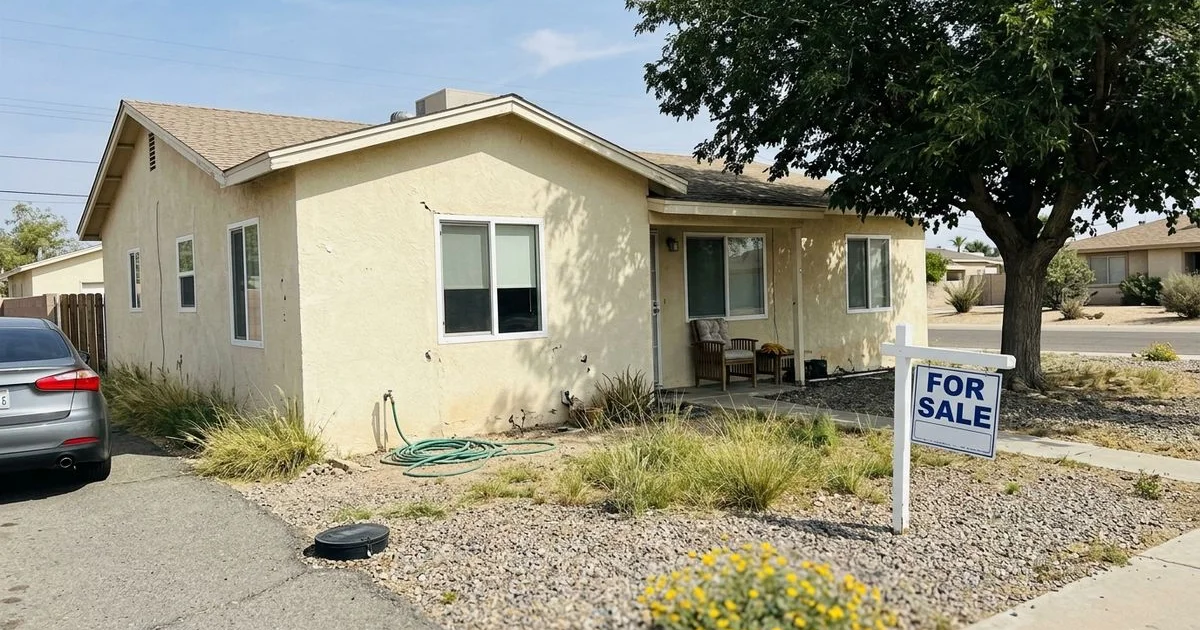
The sewer line under the yard is one of the most expensive parts of a house, and almost nobody looks at it before signing. A general home inspection checks what is visible and confirms that water goes down the drain. It cannot show what is happening in the pipe under the driveway. In Sierra Vista and the towns around it, a few kinds of purchases make that blind spot especially risky.
Three buyer scenarios where it matters most
The older home with original drains. You are buying an older house, perhaps one of the historic homes in Bisbee or a mid-century house closer in. These often still have cast iron or clay drains. Cast iron corrodes from the inside, and clay joints let roots in. The line can drain fine during a showing and still be close to a backup.
The house that sat empty. Homes change hands often here as military families arrive and leave on orders, and some sit vacant for weeks or months between owners or tenants. Lines that carry little water can hide sags full of sludge, roots that grew while nothing was flowing, or a line that dried out and crusted.
The purchase right after monsoon season. Heavy July and August storms can expose weak drain and sewer lines. If a home’s line was struggling during the storms, the seller may not have noticed, or may not mention it.
If the home fits any of these, treat the camera inspection as standard.
General inspection vs sewer scope
| General home inspection | Sewer camera inspection | |
|---|---|---|
| Runs fixtures, checks drainage | Yes | No |
| Looks at visible pipes under sinks and in the garage | Yes | No |
| Sees inside the buried line to the street | No | Yes |
| Identifies pipe material | Sometimes, at visible sections | Yes |
| Finds roots, cracks, sags, offsets | No | Yes |
| Locates problems from the surface | No | Yes |
| Gives you video for negotiation | No | Yes |
What the camera can find
- Pipe material, a clue to age: cast iron, clay, ABS, or PVC.
- Roots at joints.
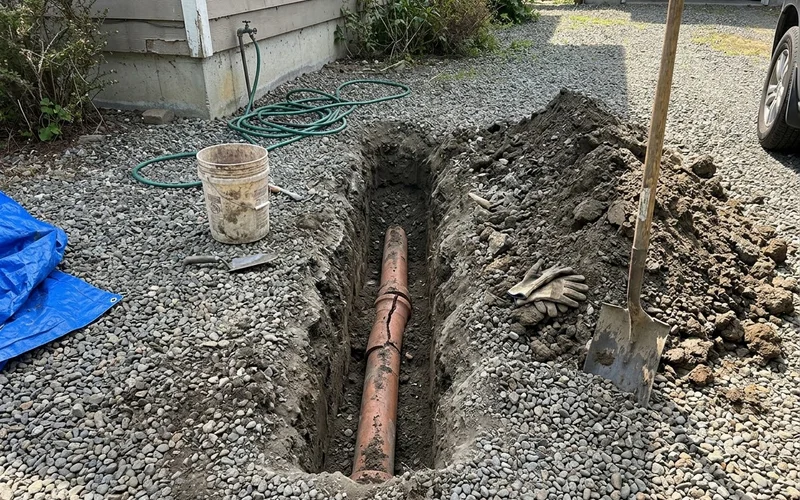
- Cracks and breaks that let water out and soil in.
- Sags, low spots holding water and sludge.
- Offset joints where sections shifted out of line.
- Scale and grease narrowing the pipe.
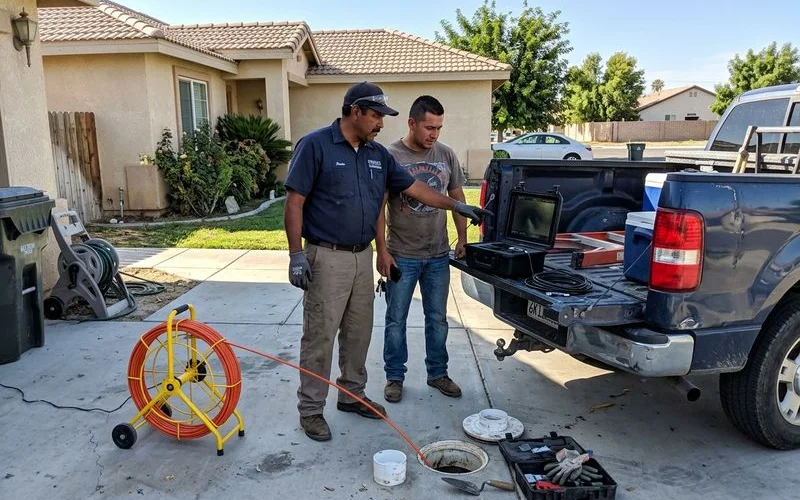
A transmitter in the camera head lets the plumber mark the location and depth of any problem on the ground above, which makes repair quotes far more accurate.
Turning findings into a decision
| Finding | Typical next step during escrow |
|---|---|
| Clean line, sound material | Proceed with confidence; keep the video |
| Minor roots, otherwise sound | Plan maintenance clearing; may not affect price |
| Cracked but aligned section | Get a repair quote; ask for a credit or seller repair |
| Sag, offset, or collapse | Get a quote now; renegotiate or reconsider |
Our guide on trenchless lining vs dig and replace explains which repair fits which finding, so you know what you are negotiating over.
Fitting it into your timeline
- Book it with the general inspection, inside your contingency window.
- Ask about a cleanout. Some older homes have none, and the inspection may need a toilet pulled, which requires the seller’s permission.
- Request the full video, not just a summary, so any contractor quoting a repair can see the line.
- Ask about fees up front, including whether there is a charge if the line has to be cleared before the camera can pass.
A clean result still pays off
No problems found is a useful answer. It removes a big unknown, and the video becomes part of your records for the next sale, which matters in a town where many owners sell again when new orders come.
Camera inspection is part of our drain cleaning and camera inspection service. Call Sierra Vista Plumber Pros any hour, in English or Spanish, request a free estimate, and mention your contract deadline so the visit fits your timeline.